
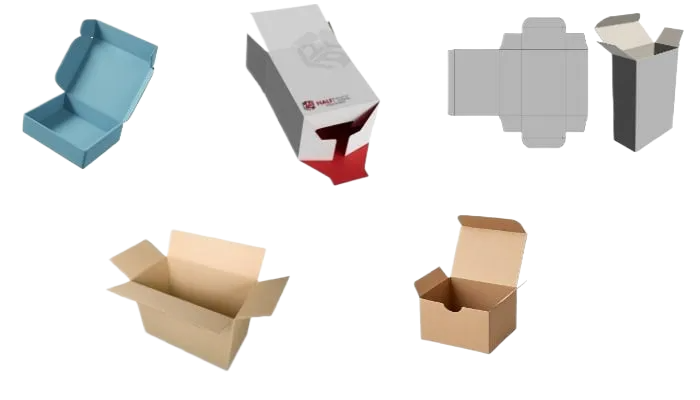
Types of Boxes Used Across Packaging Industries
Types of Boxes Used Across Packaging Industries
Boxes are part of daily living. We use them at home and see them in shops. They provide us with storage and shipping. Every type of box has its intended purpose. There are boxes that safeguard small objects. Other boxes offer support to heavy loads and some assist in making products appear tidy and orderly. Knowledge of types of boxes assists in improved decision-making. The right box ensures the safety of items. It also enhances storage and handling. One can also find ten types of boxes that are commonly used, explained in a straightforward manner.
1. Folding Cartons
They are easy and light to mold. They are constructed using paperboard. These boxes are folded down when not in use. This assists in the saving of space in storage. The cartons in retail outlets are folded ones. There are a lot of products consumed in everyday life that are packaged in these boxes. They can be printed easily and assembled easily. The types of folding cartons commonly include.
· Straight tuck boxes with both sides having the same side.
· Reverse tuck boxes which roll in opposite directions.
· Automatic lock bottom boxes, which take additional weight.
They suit light objects and also enable products to be placed on shelves in a tidy manner. Folding cartons are convenient and popular.
2. Straight Tuck End Boxes
They come with flaps of top and bottom on the same side. This design gives a clean front look. The box opens smoothly and closes easily. The structure stays neat after repeated use. Straight tuck boxes are simple and efficient.
3. Reverse Tuck End Boxes
Reverse tuck end boxes have flaps that fold in opposite directions. This design uses less material. It also reduces waste during production. These boxes are easy to assemble. They are suitable for small consumer products. The design helps maintain balance when the box stands upright. Reverse tuck boxes are common in many industries.
4. Rigid Boxes
Rigid Boxes are strong and solid. These boxes keep their shape at all times without folding flat. They are used when strength matters. They also help protect valuable items. The thick structure adds durability. Rigid boxes are often used for items that need extra care. They also improve handling during storage.
5. Magnetic Closure Rigid Boxes
This packaging comes with hidden magnets to close the lid. The lid shuts firmly without tape. The opening feels smooth and controlled.
These boxes protect items well. The magnets help keep the box sealed during movement. These boxes maintain their shape and structure.
Magnetic closure boxes are commonly used for premium items.
6. Two Piece Rigid Boxes
Two piece rigid boxes have a base and a lid. The lid fits over the base. This simple design adds strength to the box. The structure supports weight evenly. It also protects items from dust and pressure. The lid is easy to remove and place back. These boxes are often used for gifts and storage purposes.
7. Drawer Style Rigid Boxes
Drawer style boxes slide open like a drawer. This design keeps items organized. It also reduces movement inside the box. The sliding motion allows controlled access. Drawer style boxes are strong and durable. They are useful for items that need careful handling.
8. Corrugated Boxes
Strong cardboard is used to produce corrugated boxes. They have a wavy layer inside. This shock and impact are absorbed in this layer. The inner fluting serves as cushioning. It cushions goods during transit. This renders corrugated boxes the best shipping boxes. They are used extensively in the transportation of products. Storage and stacking are also carried out with them. Boxes made of corrugated material are sturdy and portable.
9. Double Wall Corrugated Boxes
These are stronger option that comes with two layers of corrugated board. They support more weight. The added layer improves shock absorption. It also protects items from compression. These boxes remain stable during long shipping routes.
10. Regular Slotted Containers
They are standard shipping boxes. Their top and bottom flaps meet at the center. This design makes sealing easy. These boxes stack well and also handle weight evenly. Tape is usually used to seal them securely. They are suitable for many shipping needs.
11. Full Overlap Containers
Full overlap containers have flaps that fully overlap when closed. This adds extra thickness to the box walls. It improves strength and durability. These boxes protect items better than standard boxes. They reduce damage during stacking. They also handle pressure well. Some key features include.
· Extra strength at the top and bottom
· Better protection for fragile items
· Improved resistance to crushing
Full overlap containers are useful for heavy goods. They are often used for industrial shipping. They also help protect large items.
12. Mailer Boxes
Mailer Boxes are designed to lock on their own. They do not need tape to close. The flaps fit together securely. These boxes are easy to assemble. They also keep items safe during delivery. The design reduces the risk of opening during transit. Mailer boxes are often used for small shipments. They are also used for organized packing. Some key points include.
· Self-locking design
· Secure closure without tape
· Easy handling during delivery
Mailer boxes improve packing efficiency.
Why Box Selection Matters?
The selection of the right box is of concern to safety. Placing a wrong box may cause harm. It is also capable of addressing handling issues. The types of boxes are intended to perform a distinct role. Light items are covered by some boxes. Some support heavy loads. Others enhance order. Knowing the types of boxes assists in planning better. It also minimizes waste and loss.
Conclusion
Boxes are significant in everyday activities because they protect items. Strong packaging supports storage and they make shipping easier. Light retail should be used with folding cartons. Rigid boxes are strong and structural. Corrugated boxes are perfect option for shipping and transport requirements. Being aware of these types of boxes can be used to make the right decisions. The right box enhances efficiency and safety. It also guarantees goods delivery to the destination in good condition.